Stars Part 1: Formation
Gravity gave birth to the stars
Have you ever wondered how stars are formed? Why do they twinkle? There are an estimated 100 to 400 billion stars in our galaxy alone, and some are thousands of times larger than our Sun!
First of all, what exactly is a star?
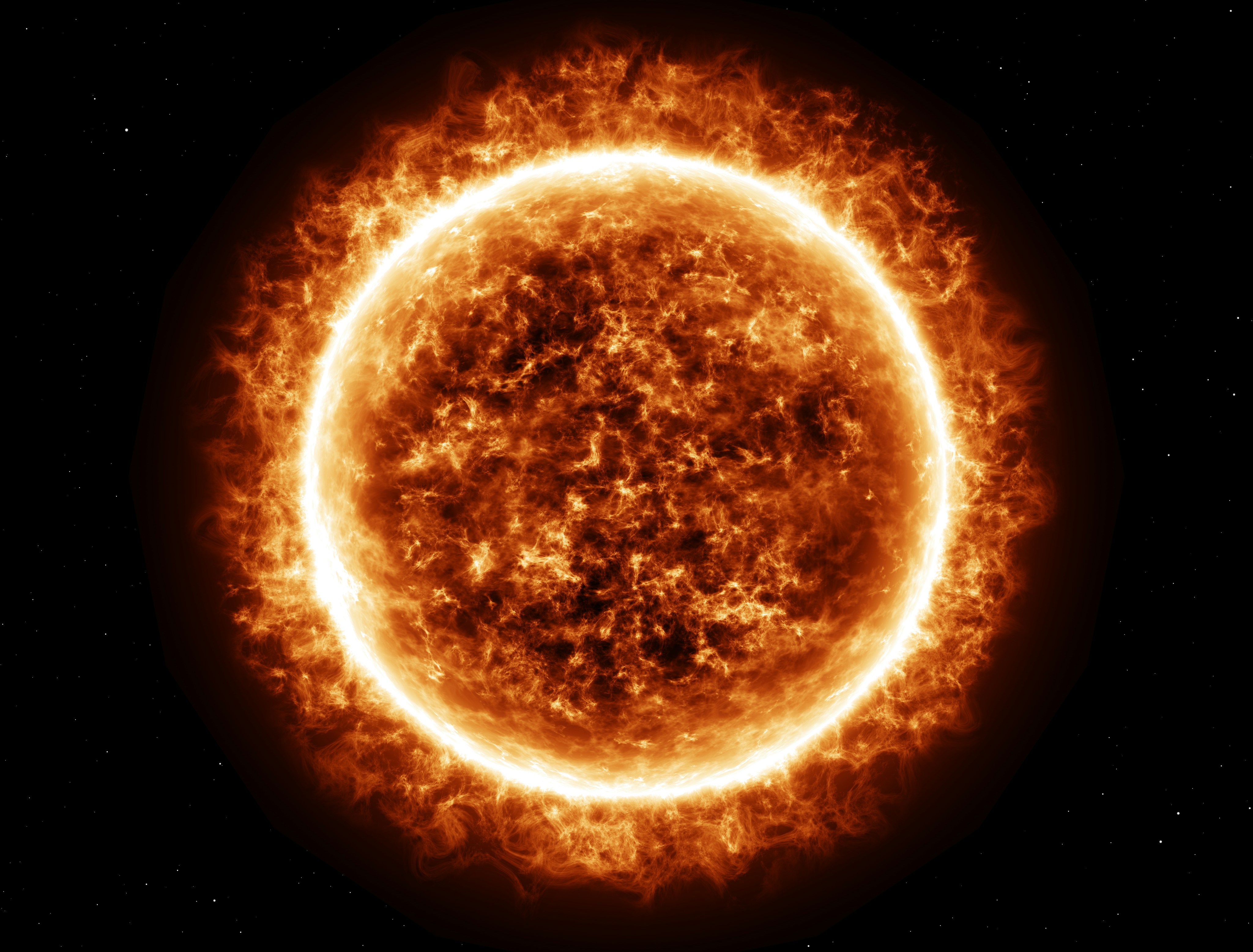
A star is a massive celestial body that produces its own light and heat. Our Sun, for example, is the closest star to Earth. But how are these brilliant objects born in the vastness of space?
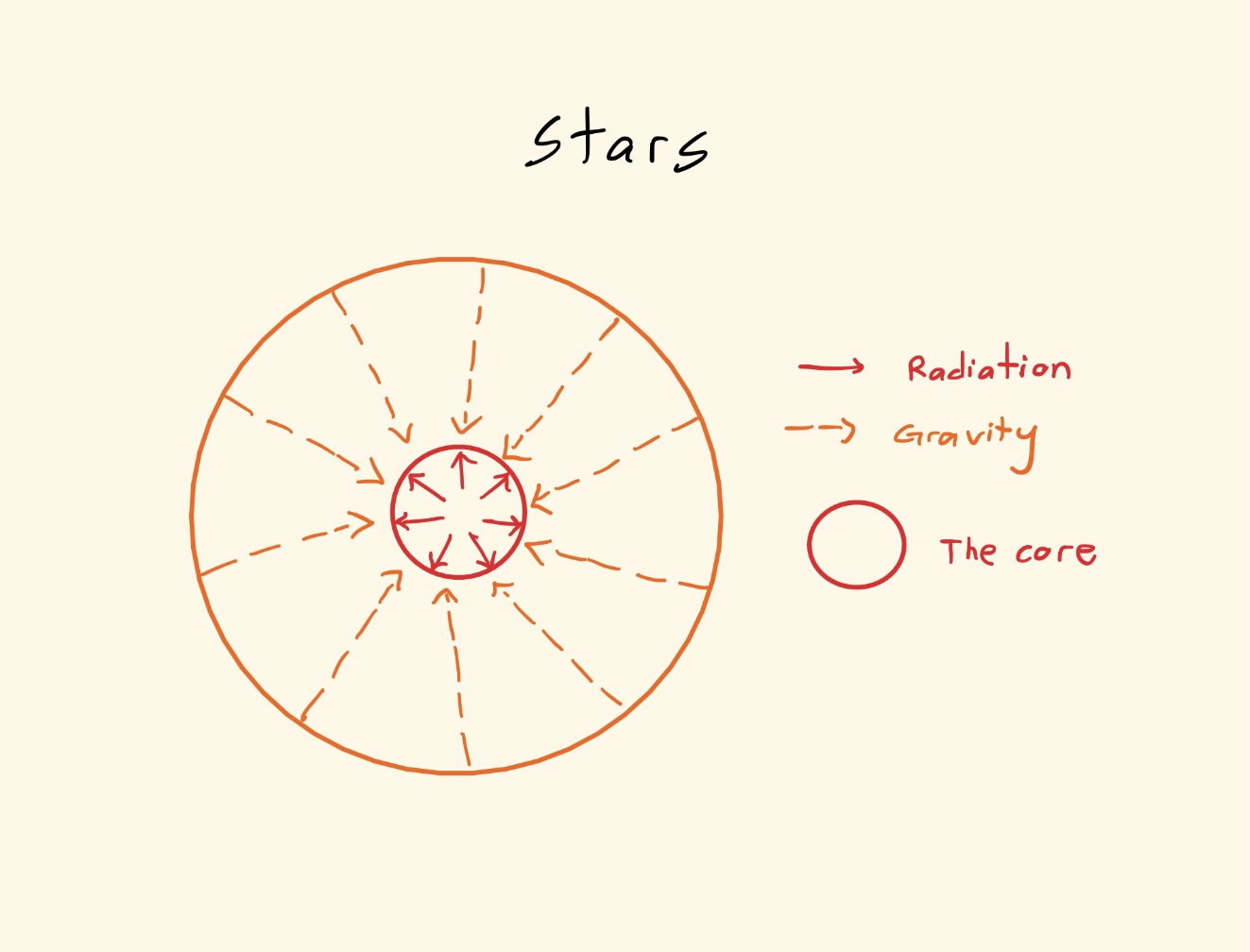
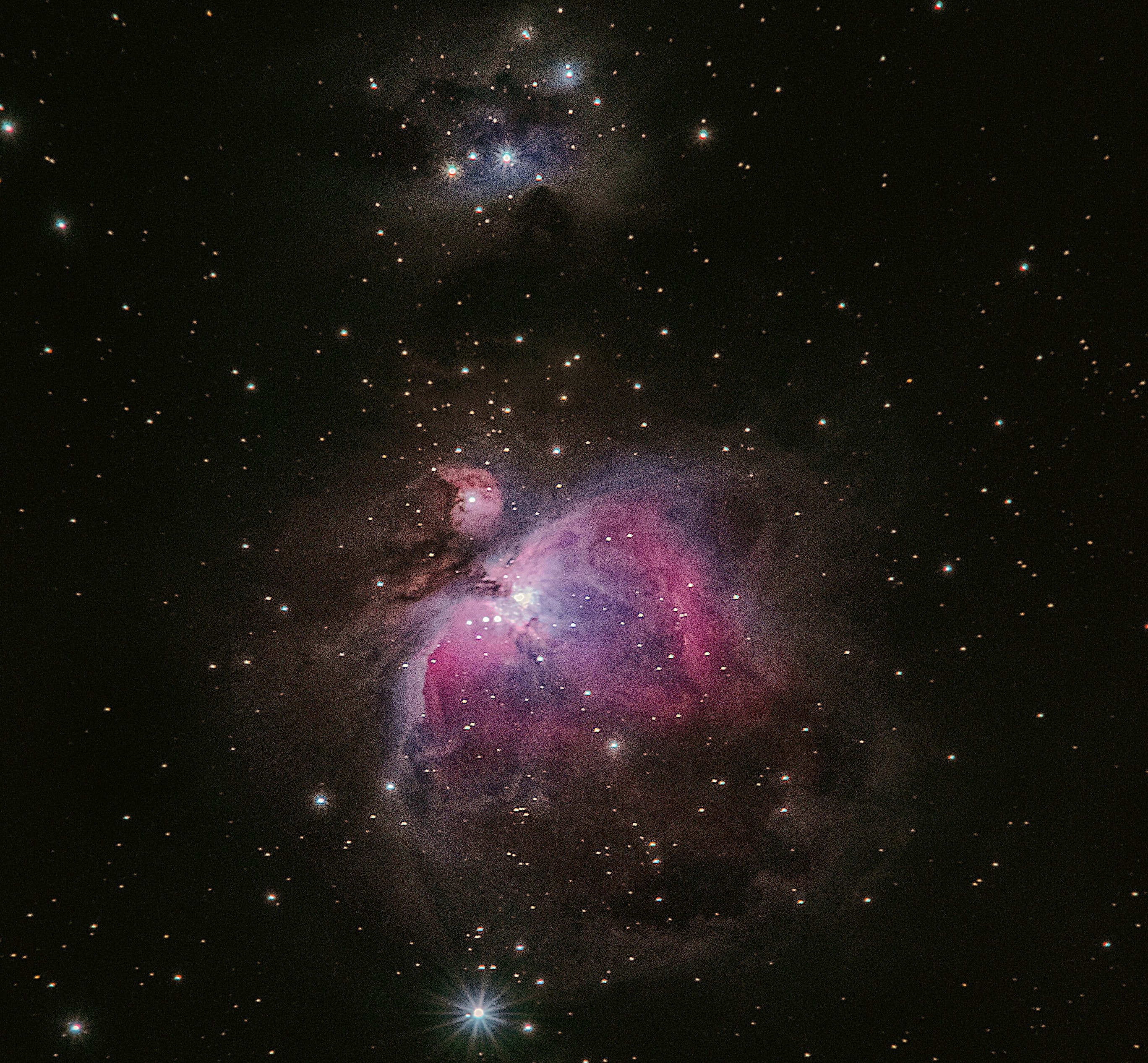
Stars begin their lives inside enormous clouds of gas and dust known as nebulae, composed mostly of hydrogen. Over time, gravity causes parts of these clouds to collapse inward. As more and more gas is pulled together, the cloud becomes denser and hotter, eventually forming what is known as a protostar.
When the temperature and pressure at the core become high enough, hydrogen atoms begin to fuse together to form helium. This process, known as nuclear fusion, releases an enormous amount of energy in the form of heat and light.
The energy produced by fusion pushes outward, while gravity continues pulling inward. As long as these two forces remain in balance, the star stays stable. Depending on its mass, a star can continue shining for millions to billions of years!
Not all stars are the same. Their surface temperatures determine their colours. Surprisingly, red stars are the coolest, while blue stars are the hottest.
Only in the darkness can you see the stars.
Keywords
- Protostar: A protostar is a very young star that is still gathering mass from its parent molecular cloud. The protostellar phase is the earliest one in the process of stellar evolution. For a low-mass star (i.e. that of the Sun or lower), it lasts about 500,000 years.
- Nuclear Fusion: In a fusion reaction, two light nuclei merge to form a single heavier nucleus. The process releases energy because the total mass of the resulting single nucleus is less than the mass of the two original nuclei. The leftover mass becomes energy.
Images